

Choosing a childcare centre is one of the first big decisions you make for your child. Malta has many registered centres, and most of them look lovely in photos. So how do you tell which one is truly right for your baby or toddler?
This guide brings together the advice that Malta’s Directorate for Quality and Standards in Education (DQSE) gives parents in its official booklet, Early Childhood Education and Care (0–3 years): An Information Booklet for Parents and Guardians, with practical tips from our own years of welcoming families.
1. Start with the basics: is the centre registered?
Every childcare centre in Malta must be registered with the DQSE and follow the National Standards for Child Day Care Facilities. The DQSE visits and evaluates every centre at least once a year.
- Ask to see the centre’s registration certificate.
- Check that the centre takes part in the Free Childcare Scheme if you plan to use it.
- Confirm the opening hours suit your working day, as each centre sets its own.
2. Visit, and visit again
Photos and websites only tell part of the story. The DQSE suggests:
- Arrange a visit and bring your child with you.
- Spend at least an hour there, and if you can, visit more than once at different times of day.
- Bring your partner or a friend for a second opinion.
- Talk to parents whose children attend now, or did in the past.
3. Look closely at the people
The educators are the heart of any centre. In Malta, all childcare staff must hold a childcare qualification, provide a police conduct certificate and clearance under the Protection of Minors Act, and supply two character references. When you visit, ask:
- What qualifications and experience do the educators have?
- Are they trained in paediatric first aid?
- Will my child have a designated carer, one familiar person who gets to know them well?
- How many children does each carer look after? The DQSE booklet gives these ratios: up to 3 babies (0–12 months), up to 5 toddlers (13–24 months) and up to 6 children (25–36 months) per carer.
- How long have the staff been at the centre? A stable team helps children feel secure.
Above all, watch how the staff talk to and comfort the children. Warmth, patience and eye level conversation tell you more than any brochure.
4. Check that the space is safe and inviting
- Plenty of natural light and space to move, with enough toys and materials so children are not left waiting.
- A safe, well equipped outdoor area.
- Clean nappy-changing areas, child-sized toilets and basins, and clear cleaning routines.
- Visible emergency procedures, accident records and an evacuation plan.
- A calm, homely atmosphere, especially in the baby room.
5. Ask how your child will learn
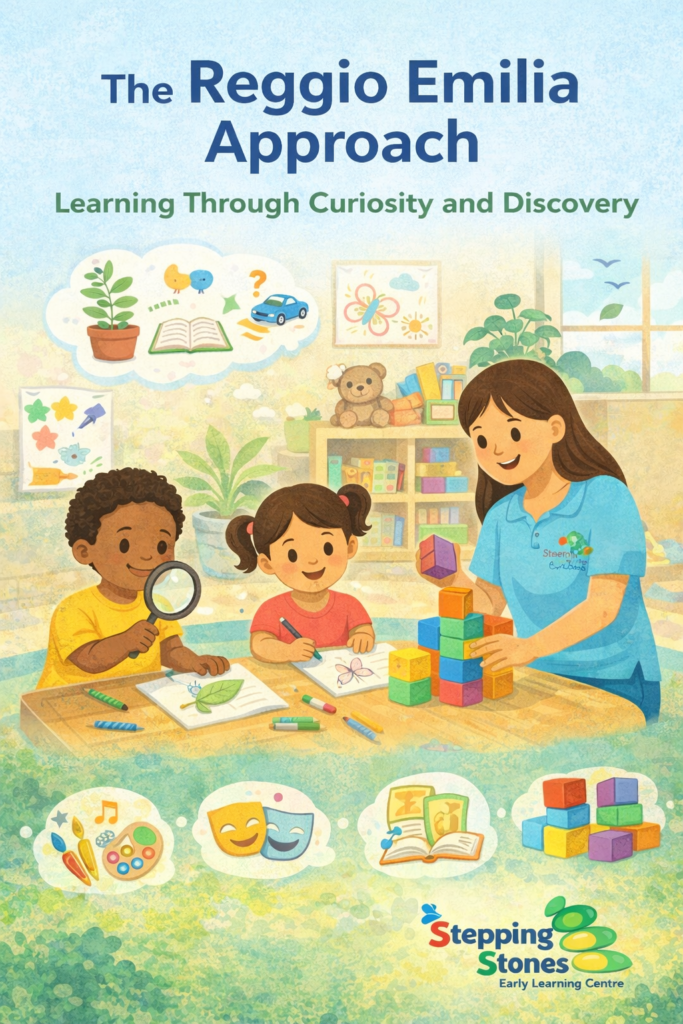
At this age, play is how children learn. The DQSE is clear that good centres do not give formal lessons or homework to under-threes, and that “school readiness” is not about memorising letters and numbers. Instead, look for a balanced, unhurried day that follows children’s interests and builds communication, creativity, problem-solving and social skills.
- Ask to see the daily routine and the activities planned for your child’s age group.
- Ask how the centre supports language, including a healthy balance of Maltese and English.
- Ask how they handle difficult moments such as tantrums or biting. Calm, positive guidance is what you want to see.
6. Make sure you will be kept informed
You should never feel in the dark about your child’s day. Ask:
- How will I hear about my child’s day, through daily chats, a diary or an app?
- How often will I get formal feedback on my child’s progress? The DQSE expects planned parent meetings at least twice a year.
- Can I see the centre’s policies, including admissions, illness, accidents and child protection?
- Am I welcome to visit and get involved?
7. Check the health policies
Before you enrol, ask for the centre’s sick-child policy, so you know when your child should stay home and how illnesses are handled. Also ask about meals and snacks, and how allergies are managed.
8. Plan a gentle start
Even the best centre is a big change for a little one. The DQSE recommends visiting together beforehand, talking about the centre at home, starting gradually and keeping the first weeks flexible. A good centre will welcome you in during the settling-in period and agree a plan with you. Read our gentle guide to settling in for more ideas.
A quick checklist for your visit
- Registration certificate seen
- Educators qualified and trained in paediatric first aid
- Designated carer for my child
- Carer-to-child ratios explained
- Safe indoor and outdoor spaces
- Play-based daily routine
- Daily updates and regular progress meetings
- Policies available to read, including the sick-child policy
- Opening hours and any extra costs clear
- I felt welcome, and so did my child
If something worries you
If you have a concern about a centre, the DQSE advises speaking to the centre’s management first. If it is not resolved, you can contact the DQSE directly. Its contact details are in the parents’ booklet.
Come and see Stepping Stones for yourself
We would love to welcome you to any of our five centres in Fgura, Qawra, Marsaskala, Smart City and Tarxien. Bring this checklist, meet our educators and ask us anything. We take part in the Government Free Childcare Scheme and will gladly help you with your application.
Source: Directorate for Quality and Standards in Education, Early Childhood Education and Care (0–3 years): An Information Booklet for Parents and Guardians (2021).